Roof Ventilation Ottawa
A roof does much more than keep rain and snow out of a home. It also works together with the attic and the exterior systems around it to manage heat, airflow, and moisture. This Roof Ventilation Ottawa page is designed to explain why roof ventilation matters, how it affects roof life and home comfort, and what homeowners should know about the different types of vents used to support attic airflow. When a roof is ventilated properly, it helps reduce trapped heat, limit moisture buildup, and support stronger long-term roof performance. That is why Roof Ventilation Ottawa should be treated as an important part of home protection rather than a small background detail.
Many homeowners do not think about ventilation until they notice symptoms such as excess attic heat, mold-like smells, condensation, ice dam issues, or premature shingle wear. These warning signs often show that airflow through the attic and roof system is not balanced the way it should be. A ventilation system needs to help air enter and exit the attic in a controlled way. If that airflow is weak or uneven, heat and moisture can begin affecting the roof from the inside. This is one of the main reasons Roof Ventilation Ottawa matters so much for homes in a climate with hot summers, cold winters, and repeated seasonal changes.
Why Roof Ventilation Matters
Ventilation matters because a roof system performs best when air can move through the attic properly. Roof Ventilation Ottawa helps reduce the buildup of heat in warmer weather and moisture in colder weather, both of which can put stress on roofing materials and interior building components. When hot air and humid air become trapped in the attic, the roof may age faster, insulation can become less effective, and moisture-related damage may begin developing in hidden areas.
Another reason Roof Ventilation Ottawa matters is that airflow supports the health of the full roofing system, not just the attic space. Poor ventilation can contribute to condensation, mold risk, warping, shortened shingle life, and winter ice dam problems. A roof may look fine from the outside while hidden airflow issues continue reducing its long-term performance. That is why homeowners benefit from taking ventilation seriously before visible damage begins spreading into larger parts of the home.
How Ventilation Protects the Roof
A roof is constantly exposed to outside weather, but conditions inside the attic also affect how well it performs over time. Roof Ventilation Ottawa protects the roof by helping trapped heat and moisture escape before they create larger problems in the roofing system. When attic air stays too hot or too damp, it can place pressure on shingles, sheathing, structural materials, and insulation.
That is why Roof Ventilation Ottawa should always be seen as part of long-term roof protection. The roof needs support not only from flashing, drainage, and shingles, but also from the air movement beneath it. Good ventilation helps reduce internal stress on the roof structure and creates a more balanced environment that supports durability in every season.
How Ventilation Affects Attic Conditions
The attic is one of the most important spaces influenced by ventilation. Roof Ventilation Ottawa helps regulate attic conditions by allowing stale, warm, or moisture-heavy air to leave while encouraging fresher outside air to enter through the proper intake points. When that process works well, the attic stays more balanced and less likely to develop the conditions that lead to mold, dampness, and excessive heat buildup.
That is why Roof Ventilation Ottawa can have such a noticeable effect on attic performance. Without enough airflow, attics may become extremely hot in summer and too damp in winter. Over time, these conditions can affect insulation, wood framing, and the underside of the roof deck. Good ventilation supports a healthier attic environment, which helps protect everything connected to it.
How Ventilation Helps in Summer
Summer heat can be especially hard on homes when the attic traps hot air for long periods. Roof Ventilation Ottawa helps reduce this buildup by encouraging warm attic air to escape instead of collecting under the roof. When heat remains trapped, it can place added stress on roofing materials and make upper levels of the home less comfortable.
Another benefit of Roof Ventilation Ottawa in summer is that it can reduce the overall strain on the roof system and support better indoor comfort. While ventilation is not a substitute for insulation or cooling systems, it helps the roof and attic work together more effectively during hot weather. This can support longer roof life and help homeowners avoid some of the hidden heat-related wear that develops over time.
How Ventilation Helps in Winter
Winter creates a different set of challenges, which is why Roof Ventilation Ottawa remains important year-round. In colder weather, poor attic airflow can contribute to moisture buildup from interior humidity and uneven roof temperatures that encourage snowmelt and refreezing near the roof edge. This can lead to condensation inside the attic and create conditions that support ice dam formation.
That is why Roof Ventilation Ottawa plays such an important role in colder climates like Ottawa. When attic air is allowed to move properly, moisture has less chance to collect and roof temperatures may remain more balanced. This helps reduce the risk of winter roofing problems that begin from within the house rather than from the weather alone.
Common Signs of Poor Roof Ventilation
There are several warning signs that may suggest the attic and roof are not venting the way they should. Roof Ventilation Ottawa problems often show up as excessive attic heat, stale or musty smells, visible condensation, frost inside the attic during winter, mold-like staining, damp insulation, or signs that roofing materials are aging too quickly. Homeowners may also notice that upper floors feel hotter or less comfortable than expected.
Another reason to pay attention to Roof Ventilation Ottawa warning signs is that many of them appear gradually. A homeowner may not notice one dramatic failure, but small issues may continue building until they begin affecting the roof, attic, or interior finishes more seriously. Catching these signs early can help prevent larger moisture and performance problems later.
What Causes Poor Ventilation
Poor ventilation often results from an imbalance in how air enters and leaves the attic. Roof Ventilation Ottawa systems can struggle if the home lacks enough intake vents, enough exhaust vents, or the right combination of both. Blocked soffits, inadequate vent placement, insulation covering intake areas, or an outdated roof design can all interfere with airflow.
That is why Roof Ventilation Ottawa needs to be evaluated as a full system rather than by looking at one vent alone. A home may have exhaust vents on the roof, but if no fresh air is entering at the soffits, the system may still perform poorly. Ventilation problems are often caused by how the entire airflow path is set up, not just by the presence or absence of one visible component.
The Difference Between Intake and Exhaust Ventilation
Good attic airflow depends on both intake and exhaust. Roof Ventilation Ottawa works best when cooler air is allowed to enter through lower roofline areas and warmer, stale air is able to exit at higher points on the roof. Intake usually happens at the soffit, while exhaust occurs through roof vents placed higher up. Both sides of the system need to work together for balanced ventilation.
This is why Roof Ventilation Ottawa should never focus only on adding more roof vents without considering intake. If air cannot enter properly, the exhaust vents may not work as intended. Likewise, intake without effective exhaust leaves air trapped. Balanced airflow is the goal, and that balance is one of the most important ideas homeowners should understand when thinking about roof ventilation.
Soffit Vents
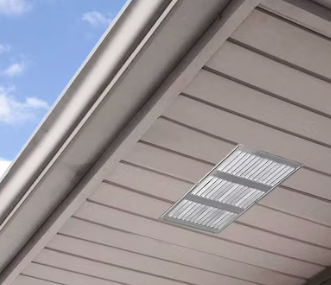
Soffit vents are one of the most important intake components in a ventilation system. Roof Ventilation Ottawa often depends heavily on soffit vents because they allow fresh air to enter from the underside of the roof overhang. This incoming air supports the full ventilation process by giving warmer attic air something to rise away from toward the exhaust vents above.
That is why Roof Ventilation Ottawa should always include attention to soffit condition and airflow. If soffit vents are blocked by insulation, debris, or damage, the entire ventilation system may become weaker even if roof vents are present. Proper intake is essential to helping the attic breathe the way it should.
Static Roof Vents
Static roof vents are one common exhaust option used in attic ventilation systems. Roof Ventilation Ottawa may include static vents when homeowners need a simple, non-mechanical way to allow warm attic air to escape near the upper parts of the roof. These vents do not move or spin, but when placed correctly, they can contribute to a balanced ventilation system.
Another reason static vents matter in Roof Ventilation Ottawa is that they are often used as part of a broader strategy rather than as a one-size-fits-all solution. Their effectiveness depends on placement, the size of the attic, the amount of intake air available, and the broader roof design. They can work well in the right setup, but they still need to be part of a balanced airflow plan.
Max Vents
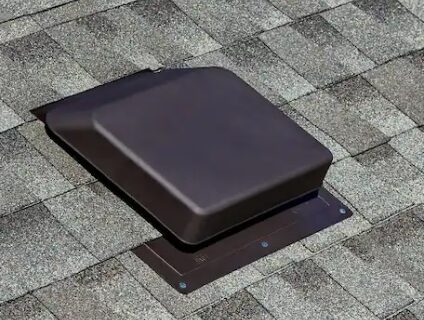
Max vents are one of the most recognized roof vent types homeowners ask about. Roof Ventilation Ottawa often includes max vents because they are a common and familiar exhaust option used on many homes. These roof-mounted vents use wind and natural airflow to help draw warm and moist attic air out through the upper part of the roof system.
That is why max vents remain a key part of Roof Ventilation Ottawa discussions. Many homeowners know them by name and associate them directly with attic venting. However, max vents still need proper intake airflow and good system design to perform effectively. They are not meant to solve every ventilation issue on their own, but in the right setup they can play an important role in improving attic airflow.
Roof Louvers and Box Vents
Roof louvers, sometimes called box vents, are another type of static exhaust vent used in some homes. Roof Ventilation Ottawa may include these vents when a roof design supports their use and when airflow can be balanced with sufficient intake. They allow warm attic air to escape without moving parts and can be part of a practical non-mechanical venting approach.
Their role in Roof Ventilation Ottawa depends on the layout of the home and roof. Like other exhaust vents, they work best when the rest of the ventilation system is set up to support steady airflow. Homeowners should understand that no exhaust vent performs ideally without enough intake air entering the attic from below.
Ridge Vents
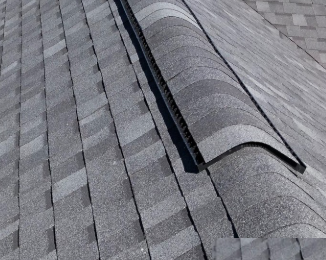
Ridge vents are installed along the peak of a roof and are often used to create continuous exhaust ventilation. Roof Ventilation Ottawa may include ridge vents when the roof design is suitable and when intake airflow from the soffits can support them. Because warm air naturally rises, a ridge vent can offer an effective exhaust point when installed as part of a balanced system.
Another reason ridge vents matter in Roof Ventilation Ottawa is that they can distribute exhaust ventilation across the roof peak rather than relying on a small number of separate vent openings. This can be beneficial in the right roof design, but it still depends on correct installation and balanced airflow. Homeowners benefit from understanding that ridge vents are not automatically better in every case, but they can be very effective when matched properly to the home.
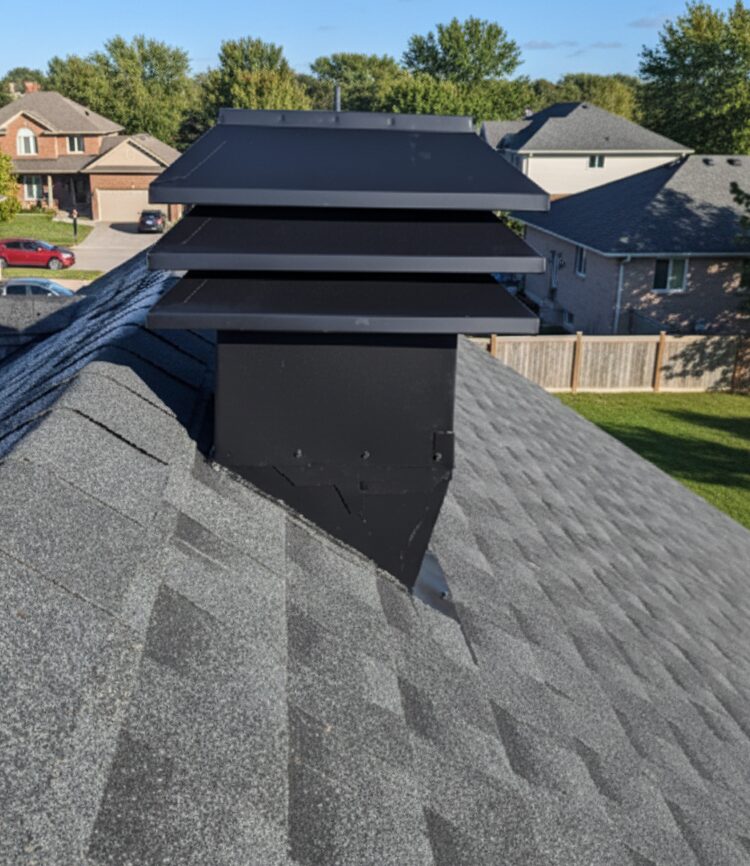
Power Vents
Power vents use mechanical assistance to help pull air out of the attic. Roof Ventilation Ottawa sometimes includes power vents in cases where homeowners need additional exhaust support or where the home’s layout makes passive airflow more difficult to manage. These vents are different from static and wind-assisted vents because they actively move air instead of relying only on natural airflow.
That said, Roof Ventilation Ottawa involving power vents still needs careful planning. If intake is weak or the system is imbalanced, mechanical exhaust may not solve the broader problem effectively. Power vents can have a place in certain homes, but they must be considered as part of the full attic airflow system rather than as a stand-alone fix.
Different Homes Need Different Venting Strategies
Not every home needs the same combination of vents. Roof Ventilation Ottawa depends on roof design, attic size, soffit condition, insulation layout, and how air currently moves through the home. A house with a simple roofline may benefit from one venting approach, while a more complex roof with additions or unusual sections may need a different strategy entirely.
That is why Roof Ventilation Ottawa should never be reduced to adding one product without evaluating the structure. Max vents, ridge vents, static vents, soffit vents, and power vents all have their place, but the right solution depends on how the full home is built. Good venting starts with understanding the property, not just choosing a vent type by name.
Ventilation and Roof Longevity
Ventilation has a direct effect on how long a roof may perform well. Roof Ventilation Ottawa supports roof longevity by helping reduce the internal heat and moisture conditions that can place unnecessary stress on roofing materials and structural components. A roof exposed to poor attic conditions may age faster, even if it appears fine from the outside for some time.
That is why Roof Ventilation Ottawa is so important for homeowners thinking about long-term value. Better airflow can help shingles, roof decking, and other roof components experience less internal stress over the years. This does not replace the need for proper installation or maintenance, but it does support the roof in a way that helps protect its long-term condition.
Ventilation and Ice Dam Prevention
Ventilation plays an important role in reducing the risk of winter ice dam problems. Roof Ventilation Ottawa helps support more balanced roof temperatures by allowing attic heat to escape rather than warming the roof from below. When snow melts unevenly and refreezes at the colder edge, ice dams can begin forming and forcing water back under the roof covering.
That is why Roof Ventilation Ottawa is often discussed alongside winter roofing concerns. While ventilation is not the only factor involved in ice dam prevention, it is one of the most important. A roof system with poor airflow may be more likely to experience repeated winter roof-edge problems that lead to leaks and moisture damage during freeze-thaw periods.
How Inspections Help Identify Ventilation Problems
Homeowners do not always know whether their roof is venting properly, which is why inspections matter. Roof Ventilation Ottawa often begins with evaluating attic conditions, visible vent types, soffit intake, signs of trapped moisture, and how the roof has been performing through different seasons. In some cases, the signs of poor airflow are obvious. In others, they are hidden until someone looks more closely.
That is why Roof Ventilation Ottawa benefits from careful roof and attic assessment rather than guesswork. Ottawa Roofers Pro helps homeowners understand what vents they have, how the airflow appears to be working, and whether the system may be contributing to roof wear or attic moisture issues. Good inspection is often the first step in making practical improvements.
A Full-System Approach to Roof Ventilation
Ventilation should never be treated as one vent on one part of the roof. Roof Ventilation Ottawa works best when soffit vents, exhaust vents, attic pathways, roof design, insulation, and moisture conditions are all considered together. If any part of that chain is weak, airflow may not work the way the home needs it to.
That is why Ottawa Roofers Pro takes a full-system approach to Roof Ventilation Ottawa. Homeowners need more than a product name or a quick fix. They need a practical understanding of how the roof and attic are behaving and which changes will improve airflow most effectively. Better results come from looking at the full system, not just one piece of it.
Why Homeowners Choose Ottawa Roofers Pro
Homeowners want more than a simple answer when they ask about attic venting. They want practical advice, dependable workmanship, and a company that understands how local climate affects roof performance. That is why Ottawa Roofers Pro approaches Roof Ventilation Ottawa with attention to vent types, attic conditions, soffit intake, seasonal weather demands, and the long-term health of the roofing system.
Ottawa Roofers Pro helps homeowners make informed decisions about Roof Ventilation Ottawa whether the concern involves max vents, roof louvers, ridge vents, soffit vents, airflow imbalance, or winter roof issues. Our goal is to provide practical ventilation support that improves roof performance and helps protect the home more effectively over time.
Contact Us About Roof Ventilation Ottawa
If you need dependable Roof Ventilation Ottawa support, Ottawa Roofers Pro is ready to help. Whether you are dealing with attic heat, moisture buildup, ventilation concerns, ice dam issues, or questions about max vents and other roof vent types, we provide practical solutions designed for Ottawa homes and weather conditions.
Ottawa Roofers Pro helps homeowners improve Roof Ventilation Ottawa with system-based solutions that support attic airflow, roof life, and long-term home protection. If your home is showing signs of poor ventilation or you want to improve how your roof performs through the seasons, get in touch today.